
There are many different types of juicers available on the market today. Juicing has become increasingly popular as people seek out ways to improve their health and incorporate more fruits and vegetables into their diet.
However, with so many different types of juicers on the market, it can be overwhelming to choose the right one.
In this article, we’ll explore the different types of juicers available and help you determine which one is the best fit for your juicing needs.
-
Centrifugal Juicers
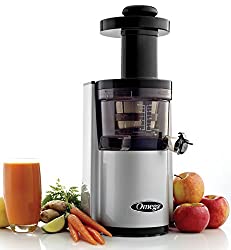
Centrifugal juicers are one of the most common types of juicers on the market. These juicers work by using a spinning blade to chop up fruits and vegetables and separate the juice from the pulp. The juice is then collected in a container while the pulp is ejected into a separate container.
Centrifugal juicers are generally affordable and easy to use, making them a popular choice for beginners. However, they tend to be less efficient than other types of juicers and may not extract as much juice as possible from the fruits and vegetables.
-
Masticating Juicers
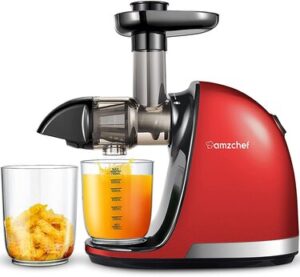
Masticating juicers, also known as slow juicers or cold press juicers, work by using a slow and gentle squeezing action to extract juice from fruits and vegetables. These juicers typically have a narrow feeding chute and use a single auger or gear to crush and press the produce.
Masticating juicers are often considered the gold standard in juicing because they are incredibly efficient at extracting juice and preserving nutrients. They also tend to produce less foam and heat than centrifugal juicers, which can help to preserve the flavor and quality of the juice.
However, masticating juicers are typically more expensive than centrifugal juicers and can be more difficult to clean.
-
Citrus Juicers
Citrus juicers are designed specifically for juicing citrus fruits, such as oranges, lemons, and grapefruits. These juicers typically have a cone-shaped reamer that presses down on the fruit to extract the juice.
Citrus juicers are often inexpensive and easy to use, making them a great choice for anyone who wants to make fresh citrus juice at home. However, they are limited to juicing only citrus fruits and may not be as efficient as other types of juicers.
-
Twin Gear Juicers
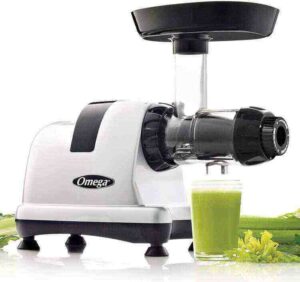
Twin gear juicers, also known as triturating juicers, use two interlocking gears to crush and press fruits and vegetables. These juicers are often considered the most efficient type of juicer because they are able to extract the maximum amount of juice from produce while preserving nutrients and enzymes.
Twin gear juicers are typically more expensive than other types of juicers and can be more complex to use. However, they are often the preferred choice for serious juicers and health enthusiasts who want the highest quality juice possible.
-
Hydraulic Press Juicers
Hydraulic press juicers, also known as hydraulic juice presses or juice extractors, use a hydraulic press to extract juice from fruits and vegetables. These juicers work by placing the produce into a cloth bag, which is then pressed with thousands of pounds of pressure to extract the juice.
Hydraulic press juicers are often considered the best type of juicer because they are incredibly efficient at extracting juice and preserving nutrients. They also produce the highest quality juice with the least amount of oxidation and foam.
However, hydraulic press juicers are typically the most expensive type of juicer and can be difficult to use and clean.
Which Type of Juicer Is Right for You?
When choosing a juicer, it’s important to consider your personal juicing needs and preferences. If you’re new to juicing
and want an affordable and easy-to-use option, a centrifugal juicer may be a good choice. If you want the highest quality juice possible and don’t mind investing in a more expensive juicer, a hydraulic press or twin gear juicer may be the way to go.
It’s also important to consider the types of produce you will be juicing. If you plan on juicing mostly citrus fruits, a citrus juicer may be sufficient. However, if you plan on juicing a variety of fruits and vegetables, a masticating or twin gear juicer may be the better option.
In addition to considering the type of juicer, it’s important to also think about the features you need. For example, some juicers may have larger feeding chutes that can accommodate whole fruits and vegetables, while others may have a slower processing speed that produces less heat and foam.
Ultimately, the best way to choose the right juicer for your needs is to do your research, read reviews, and consider your personal preferences and budget. With the right juicer, you can enjoy delicious and nutritious juices at home and take a step towards better health and wellness.